Weekly Planners Buyer's Guide: What to Compare
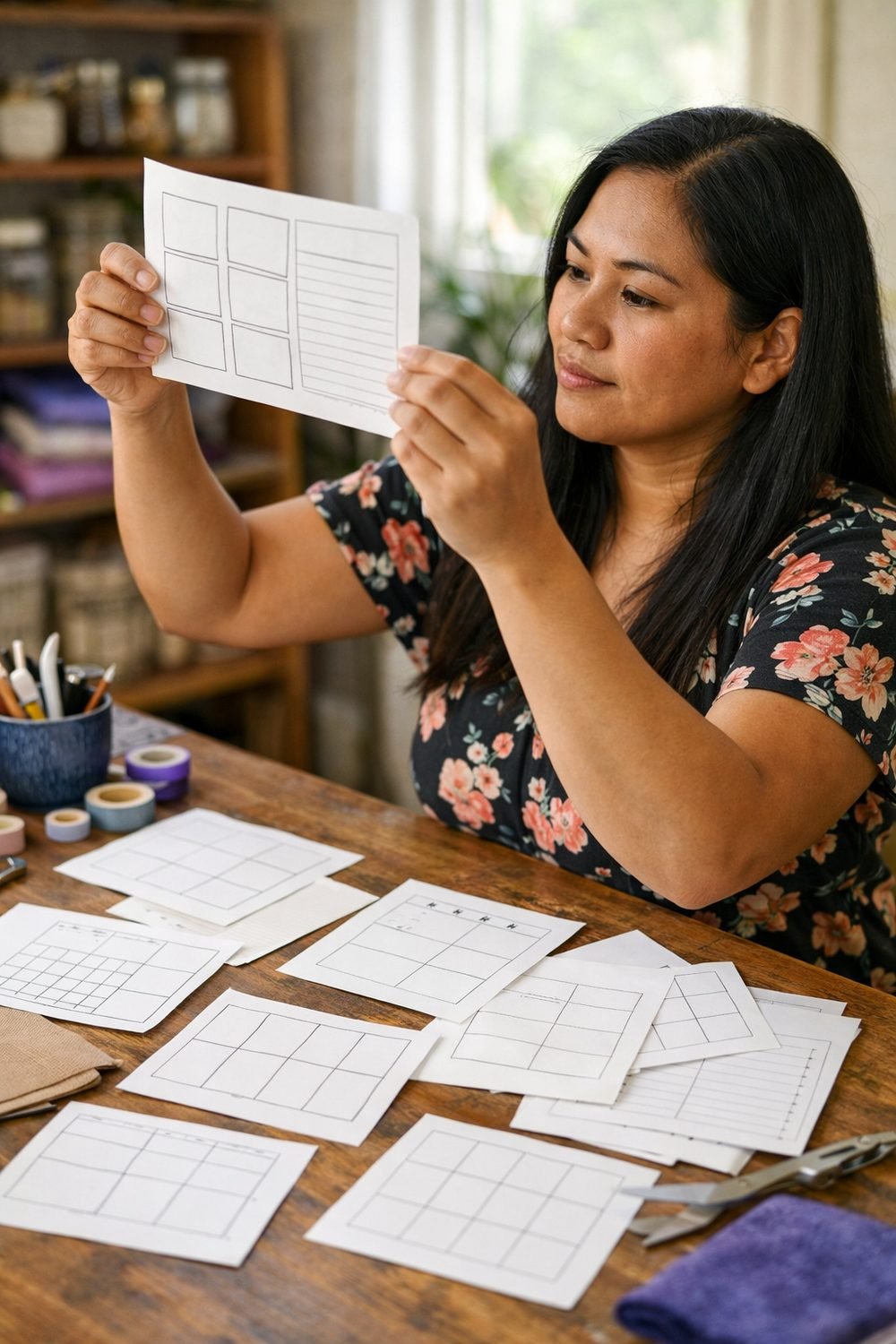
A planner only helps if you use it. That sounds obvious, but plenty of people buy planners that end up in a drawer by February. None of them were bad. They just didn't fit how I actually live and work. This guide covers what to compare before you choose one, from weekly planners to other layouts, so you can skip the drawer stage.
This guide covers layouts, size, paper, binding, dated versus undated, and a few things nobody tells you until you've wasted money. There are no "best planner" rankings here. What suits me might annoy you. The goal is to help you ask the right questions.
Short on time? Our top picks: Hobonichi Techo, Moleskine, Leuchtturm1917 and Erin Condren. See all picks
Quick summary
- Start with your week, not the planner. Look at how you plan now, even if it's sticky notes on a laptop.
- Layout matters most. Daily, weekly, or monthly views change how much you'll write and how often.
- Size decides whether it leaves the house. A big planner is lovely on a desk and a pain in a bag.
- Undated planners forgive missed weeks. Dated ones give more structure but can feel guilty-making.
- Check paper and binding if you use gel pens, highlighters, or like to write flat.
- Extras are often overrated. Habit trackers and goal pages are nice, but you may never fill them.
- Try a printable page first before spending on a full planner.
Start by Looking at How You Already Plan
Before you look at a single planner, grab whatever you used last week. Your phone calendar (like Google Calendar), a notebook, the back of an envelope. Be honest about what you actually wrote down.
When you try this, you may find you mostly write short to-do lists and a few appointments. Many people rarely write long reflections or "intentions for the day." Yet they keep buying planners with big journaling sections. No wonder they stayed empty.
How to choose a planner: questions to ask yourself
- Do I plan each day, or once a week on Sunday?
- Am I tracking appointments, tasks, or both?
- Do I need to share plans with family or a team?
- Will this live on my desk, in my bag, or by my bed?
You don't need perfect answers. Even rough ones narrow things down a lot.
A quick example
Someone who works shifts at a hospital, for example, may have a very irregular week. Her schedule changes every week, and she hates seeing empty boxes for days she's off. A dated daily planner made her feel behind all the time. She switched to an undated weekly layout and actually kept using it. Same person, same life, different format.
Layout: Daily Planners, Weekly Planners, or Monthly Planners
This is the big one. The layout shapes how you plan more than anything else on the list.
Daily layouts
Daily planners give you a full page (or two) per day. Great if your days are packed with meetings, calls, or lots of small tasks. You get room for time slots, notes, and maybe a meal or water tracker.
The downside? They're thick and heavy. And if you skip three days, you'll see three blank pages staring at you. Some people don't mind. Some people do.
Weekly layouts
Usually a two-page spread showing the whole week. This is where most people land, and I think it's the sweet spot for a lot of us. You can see what's coming without flipping, and there's enough room for a few tasks per day.
Weekly layouts come in a few styles:
- Vertical: each day is a tall column. Good for time-based plans, like 9am, 10am, and so on.
- Horizontal: each day is a wide row. Better for simple lists.
- Box or grid: each day gets a square. Flexible, but boxes can feel small on busy days.
- Week plus notes: days on the left, a lined or blank page on the right. I like this one a lot for brain dumps.
Monthly layouts
Monthly planners are a calendar grid for the whole month. Handy for big picture stuff like birthdays, bill dates, and trips. On its own, though, there's rarely enough space for daily tasks.
Most planners include monthly pages along with weekly or daily ones. If you only want monthly, a wall calendar might honestly do the job better and cost less.
Dated vs. Undated
This sounds like a small detail. It isn't.
Dated planners
The dates are printed for you. You open it, find today, and start writing. There's no setup, which is nice if you hate fiddly tasks. They also give a clear sense of time passing, which some people find motivating.
But they start on a specific month. Buy a January planner in April and you've lost a quarter of the pages. Some sellers offer academic-year versions that start in summer or fall, so check the start date on the product page before you buy.
Undated planners
You write the dates yourself. That takes about a minute a week. In return, you can start any time and skip weeks without wasting paper.
Undated planners are a safer choice for many people. Some months you may barely plan at all, like when you're moving house. With an undated planner, I just picked up where I left off. No guilt, no torn-out pages.
Which one should you pick?
If you plan every single day and like things ready-made, try dated. If you're on and off, or you're not sure planners are for you yet, go undated. That second group is bigger than people admit.
Size and Portability
It's easy to buy a gorgeous large planner. Thick cover, lovely paper. It may never leave your desk if it doesn't fit in your bag. So all my "on the go" plans went back into my phone, and the planner became half useful.
Common sizes to compare
Sizes vary by brand, so always check the exact measurements on the seller's page. Roughly, you'll see:
- Pocket or small: fits in a jacket or small bag. Tight for writing, fine for appointments.
- A5 or similar mid-size: the most popular choice. Fits most bags, enough room to write.
- Letter or A4-ish: big and roomy. Best for desk use or people with lots to track.
The bag test
Here's a simple trick. Cut a piece of paper to the planner's size and put it in your usual bag for a day. If it's annoying, the real planner (which is heavier) will be worse. If you barely notice it, you're probably fine.
Also think about weight. A daily planner with 400 pages and a hard cover adds up fast. Some people split the year into two or four smaller books for this exact reason.
Paper Quality and Pens
You don't need to be a stationery nerd to care about paper. You just need to have had ink bleed through to the next page once. It's annoying.
What to look for
Sellers often list paper weight, sometimes in gsm (grams per square meter). Heavier paper is usually thicker and handles ink better, but it also makes the planner heavier. There's no perfect number. It depends on what you write with.
- Ballpoint or pencil: almost any paper works.
- Gel pens: watch for smudging and slow drying.
- Fountain pens or markers: you'll want thicker, smoother paper, or you'll get bleed-through and "ghosting" (seeing writing from the other side).
- Highlighters: test these if you can. Some paper pills or bleeds.
Reading reviews the smart way
When you look at reviews, search for your pen type. Someone saying "the paper is great!" means nothing if they use pencils and you use felt-tip markers. Look for photos of the back of a written page if people have posted them.
Binding and How It Lies
Binding affects how the planner feels every single time you open it. That's a lot of times over a year.
Spiral or coil binding
Lies completely flat and can fold back on itself. Easy to write on, even in your lap. The coil can snag on things in a bag, though, and it sometimes gets bent. Left-handed folks often find the coil gets in the way on one side.
Sewn or glued binding
Looks neat, like a book. Feels sturdy and travels well. But some don't lie flat, especially near the start and end of the year. A sewn binding that's described as "lay-flat" is usually better than glued, but check reviews.
Ring binders and discs
You can add, remove, and move pages around. This is great if you like printables or want to customize. The rings can be bulky, and some people find them a bit fussy. A ring planner offers great flexibility, but it's easy to spend more time rearranging pages than actually planning. Your mileage may vary.
Extras: What's Useful and What's Fluff
Planners love to pack in extras. Goal pages, habit trackers, gratitude prompts, budget sheets, meal planners, reading logs, stickers, pockets, elastic bands.
Some of these are genuinely handy. Others just make the planner thicker and more expensive.
Extras I actually use
- A back pocket: for receipts, cards, and loose notes. Small thing, big help.
- Plain notes pages: I always run out of these.
- A ribbon bookmark: so I can open straight to this week.
- An elastic closure: stops it flopping open in my bag.
Extras I usually skip
Habit trackers, for me, are overrated. It's common to fill one in for a short stretch, then forget about it. Big yearly goal planners and worksheets also tend to sit blank. That's not a moral failing. It just means I plan in a simpler way.
If you love trackers and prompts, great. Just don't pay extra for pages you'll never touch. And if a planner has 30 pages of setup before the calendar even starts, ask yourself if you'll really do all that.
Try Before You Commit
Here's the thing I wish someone had told me years ago. You can test a layout with a printable page before buying anything. Print a page, use it for a week or two, and see how it feels.
Does the box size work? Do you wish you had time slots? Did you use the notes section at all? A week of real use teaches you more than an hour of reading product pages.
If you want an easy way to do this, our free Weekly Planner Page comes in 2 layouts, and you can grab it by joining the email list in the sign-up box on this page.
How to run a fair test
- Pick one layout and use it for at least one full week.
- Keep it where you'd keep a real planner, like your desk or bag.
- At the end, note what you skipped and what you ran out of room for.
- Try the second layout the next week and compare.
It's low effort, and it's way cheaper than buying the wrong planner twice.
Planner Comparison: Two Options Side by Side
When you've got it down to two options, it helps to put them next to each other and go point by point. Here's a made-up example, just to show the thinking.
Example: Planner A vs. Planner B
Planner A is a dated, daily, large hardcover with lots of tracker pages. Planner B is an undated, weekly, mid-size spiral with a notes page each week.
Now imagine you're a parent who plans on Sunday nights, writes in pencil, and carries a medium bag. Planner A looks impressive, but it's heavy, the daily pages will likely go half-empty, and the trackers may never get used. Planner B fits the bag, matches weekly planning, and the notes pages give room for school reminders and grocery lists.
For that person, B is the obvious pick, even if A looks fancier in photos. Flip the person, though. A busy freelancer with back-to-back calls who works at a desk all day might find A perfect.
A simple planner checklist for comparing
- Layout matches how often I plan?
- Dated or undated fits my habits?
- Size fits where it will live?
- Paper works with my pens?
- Binding lies the way I like?
- Extras I'll actually use?
- Price feels fair for what I'll use?
On price, I won't tell you what's "worth it." That depends on your budget. Just compare what you're paying for with what you'll really use.
Common Mistakes
These mistakes are common, so there's no judgment here.
Buying for the person you wish you were
This is the biggest one. We picture a calm, organized version of ourselves who journals every morning. Then real life shows up. Buy for the person you are on a normal Tuesday.
Choosing on looks alone
A pretty cover is nice. It's an understandable mistake. But you'll spend far more time looking at the inside pages. If the layout is wrong, the cover won't save it.
Starting a dated planner late
Buying a January-start planner in May means paying for months you'll never use. Look for undated, mid-year, or academic options instead.
Ignoring the pen question
If your favorite pen bleeds through the paper, you'll either switch pens (and resent it) or stop using the planner. Check before you buy.
Expecting the planner to do the work
No planner makes you organized by itself. It's a tool. The habit of opening it is the real thing, and that takes a few weeks to build. Be patient with yourself.
Giving up after one missed week
Everyone misses weeks. Just open it again and keep going. Honestly, this is a good reason to go undated if you've struggled with this before.
Planners worth a look
These are well-known planner brands that cover the layouts and formats discussed above. Treat them as starting points for your own comparison, not rankings.
Hobonichi Techo
Suits people who like a small, book-style planner and enjoy detailed daily pages. Check the size and the start date carefully, and whether the paper works with your favorite pens.
Moleskine
A familiar choice for people who want a simple, classic notebook-style planner in weekly or daily formats. Check the paper in person or in reviews if you use gel pens or markers.
Leuchtturm1917
Suits those who like a tidy, structured notebook with a sturdy feel. Look at which layouts and page sizes are offered, and confirm whether the one you want is dated.
Erin Condren
A good fit if you like colorful, customizable planners with lots of layout options. Check the extras included, since you may be paying for pages you will never use.
Passion Planner
Suits people who want goal-focused pages alongside a weekly layout. Check whether you will actually fill in the reflection sections before choosing it.
Rocketbook
Worth a look if you want to write by hand but keep digital copies of your pages. Check how the reusable pages work with your pens and how you would store the scans.
Google Calendar
A free option for people who need reminders or shared schedules with family or a team. Consider pairing it with a paper planner if you think better on paper.
Check current plans and prices on each brand's own site before you decide.
FAQ
Are free digital planners better than paper ones?
It depends on you. Digital is great for reminders and sharing, while paper helps some people think more clearly and remember things better. Plenty of people use both, like Google Calendar for appointments and paper for tasks.
What size planner is best for beginners?
A mid-size planner, around A5, is a safe place to start for most people. It's big enough to write in and small enough to carry. Still, check the measurements on the seller's page and do the paper-in-your-bag test.
Should I start with a weekly or daily layout?
If you're new to planning, weekly is usually easier to stick with. It doesn't leave as many blank pages, and you see the whole week at once. You can always move to daily later if you need more space.
How do I know if I'll actually use a planner?
You won't know for sure until you try. That's why testing a printable page for a week or two is so helpful. If you keep coming back to it, that's a good sign a full planner will work for you.
If you're ready to take the next step, start small. Join the email list using the sign-up box on this page and grab the free Weekly Planner Page in 2 layouts. Print both, use each for a week, and pay attention to what you like and what you skip. Then come back to the checklist above when you're ready to compare real planners. You'll be choosing based on how you actually plan, which is the whole point.
1. Decide paper or digital
Think about where you plan.
2. Check the layout
Weekly, daily or both.
3. Look at size
Desk or bag.
4. Check paper and binding
Will it lay flat?
5. Dated or undated
Pick what suits you.
6. Read the seller's page
Details change, so confirm what you get.
Ready to look?
This is an affiliate link. Prices and terms change, so check the seller's page.
Want a printable to keep track while you work? Get our free weekly planner page in 2 layouts.