Comparing Planners Side by Side
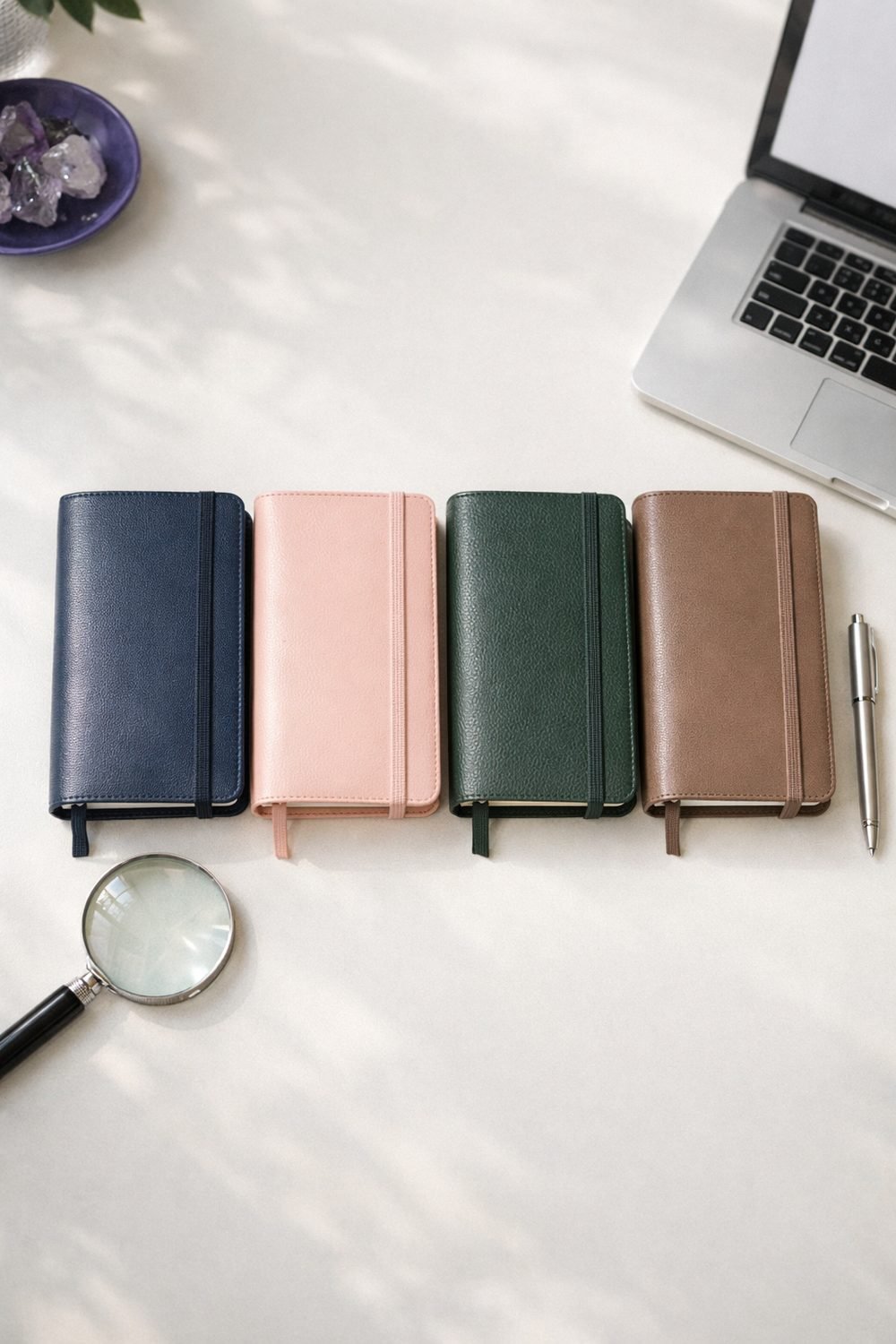
Many people buy planners the way they grab snacks at a gas station, on impulse and without much thought. It's easy to grab whatever looks good in the moment and regret it a couple of weeks later, which is why it helps to compare planners before you buy. It's common to end up with three half-used planners on a desk, none of them fitting how you actually work.
What finally fixed it was boring. Write your options down on one sheet of paper and compare them side by side. That's it. A single sheet clears the clutter in your head, because you stop trying to remember which one had the nice monthly pages and which one cost more.
Here's how I do it now, step by step, with the small things I've learned along the way.
Short on time? Our top picks: Hobonichi Techo, Passion Planner, Erin Condren LifePlanner and Moleskine Planners. See all picks
Start with a short list to compare planners
Pick two or three planners to compare. Not seven. When you compare a big pile at once, it's easy to get tired and just pick the prettiest cover, which defeats the whole point.
If you have more than three in mind, do a quick first cut. Ask yourself one plain question about each: "Would I actually carry this around?" If the answer is no, cross it off. You'll be surprised how fast the list shrinks.
Once you've got your two or three, write their names across the top of your sheet. Each one gets its own column. Down the left side, you'll add the things you want to compare. These rows work well:
- Layout
- Size
- Price
- Return policy
- Anything that bugs me
That last row is my favorite. It's where I write the little complaints, like "pages feel thin" or "no space for notes." Those small things end up mattering more than I expect.
Look closely at the layout of weekly and daily planners
The layout is how the pages are set up. This is the part that affects you every single day, so I'd spend the most time here.
The two main types you'll see are weekly planners and daily planners. A weekly layout, like the ones in the Moleskine weekly planners, shows the whole week across one or two pages. A daily layout, such as the one in the Day Designer, gives each day its own page, or close to it.
Here's an honest take. You might think you need a daily planner because you want to feel organized. In reality, most of my days don't have enough going on to fill a full page. A daily planner can leave big blank spaces, which can lead to guilt and then to abandoning it. A weekly layout suits me way better.
On the other hand, my sister runs a small home business and writes down every order, call, and errand. She'd go crazy with a weekly layout. She needs the room.
So think about a normal Tuesday for you. How many things do you usually need to write down? A handful? A weekly layout is probably fine. A long list with times attached? Daily might make more sense.
While you're looking, check for extras too. Some planners have monthly planners-style calendar pages, habit trackers, or blank note pages. Write down which ones each planner has. Then be honest about whether you'll use them. Habit trackers are easy to abandon, so be honest about whether you'll fill one in past the first couple of months.
A quick tip for checking layouts
If the seller shows sample pages, look at them at actual size if you can. A layout can look roomy in a zoomed-in photo and feel cramped once you try to write in it with a regular pen.
If you'd like to test which layout feels right before you buy anything, you can grab the free weekly planner page in 2 layouts when you join the email list, no need to hunt for free digital planners.
Compare the size, not just the look
Size sounds simple, but it trips people up all the time. Me included.
A planner that looks perfect online can turn out to be a poor fit once it arrives. When it arrived, it was so big it didn't fit in my bag. If it lives on the kitchen counter, you may only look at it when you happen to walk by. Not great for a planner.
Write the measurements for each planner on your sheet. Then grab something you already own that's close in size, like a notebook or a paperback book, and hold it. Does it fit in your bag? On your desk? In your hand comfortably?
Also think about weight and thickness. A thick planner with lots of pages can get heavy. If you plan to carry it every day, that matters. If it'll sit on your desk at home, it matters a lot less.
Smaller isn't always better, though. A tiny planner is easy to carry, but you might end up squeezing your writing into little boxes. There's a trade-off, and only you know which side you'd rather be on.
Write down the price as shown
For price, I just write what the seller lists. Don't guess, and don't round. If shipping is extra, I note that too, because it can change which option is actually cheaper.
Prices change, and sales come and go, so I also jot down the date I checked. That way, if I come back a week later, I know the number might be old.
A small opinion here: the cheapest planner isn't always the best deal, and the most expensive one isn't always the best planner. A low-cost planner you use all year beats a fancy one you abandon in March. Try to judge price next to everything else on your sheet, not on its own.
If you like having a clean template for this, the Planner Buyer's Guide and Comparison Sheets below this post give you ready-made rows so you don't have to draw them every time.
Check the return policy before you buy
This is the row most people skip. Skipping this step can be costly.
Before you buy, find the seller's return or refund policy and write down the main points. How many days do you have? Does the planner need to be unused? Who pays for return shipping? Are digital or printable planners refundable at all?
Check each seller's policy yourself, because they're all different and they change. Always read it on the seller's own page. If something is unclear, it's fine to message them and ask before you order.
Here's why it matters. You can compare everything carefully and still get a planner that just doesn't feel right in your hands. A fair return policy gives you a little breathing room. If two planners are close on everything else, the one with the friendlier policy might be the smart pick.
Decide which goal matters most to you
Now look at your whole sheet. It's usually pretty clear at this point, but sometimes two planners still look tied.
When that happens, I circle the one row I care about most. For me, it's almost always layout. If I don't like writing in it, nothing else saves it. For someone else, it might be size because they're always on the go, or price because money's tight this month.
Pick your top priority and let it break the tie. Don't overthink it. You're choosing a planner, not a house.
And look at that "anything that bugs me" row one more time. If one planner has a complaint you know will annoy you every day, that's a real reason to skip it, even if it wins on paper.
If you compare products a lot, maybe for a blog or for friends and family, the Comparison Table and Deal Box Kit below this post might save you some setup time. If it's just you picking one planner, a plain sheet of paper works fine.
Planners worth putting on your comparison sheet
These are well-known planners that work as starting points for your two or three columns. Each one suits a different kind of person, so use them to fill in your sheet rather than as a ranking.
Hobonichi Techo
Suits people who like a daily page and enjoy a compact, book-like planner. Check the language edition and size options before you order, and make sure the paper feels right for your pen.
Passion Planner
Suits people who want goal setting built into their weekly pages. Check whether the layout includes more reflection space than you will actually use.
Erin Condren LifePlanner
Suits people who like a colorful, customizable planner with weekly or monthly layouts. Check the cover and layout choices, along with shipping costs, before you commit.
Moleskine Planners
Suits people who want a simple, familiar notebook-style planner in a range of sizes. Check whether the page layout gives you enough room for writing each day.
Leuchtturm1917 Weekly Planner
Suits people who like a clean, minimal look with an easy-to-carry format. Check the weekly layout and whether the notes pages are enough for you.
Day Designer
Suits people who want a daily layout with time slots and a to-do area. Check whether the daily pages feel too full or too empty for a normal Tuesday.
Panda Planner
Suits people who want a structured planner with built-in prompts for priorities and habits. Check that you will use the extra sections, since unused pages can make a planner feel like a chore.
Check current plans and prices on each brand's own site before you decide.
FAQ
How many planners should I compare at once?
Two or three is the sweet spot for me. Any more and it gets hard to keep track, and you start choosing based on looks. Do a quick first cut if your list is longer.
Are weekly planners or daily planners better?
Neither one is better for everyone. It depends on how much you write down on a normal day. If you have a few tasks, weekly usually works; if you have long lists with times, daily gives you more room.
What if the prices change after I compare?
That happens a lot. Write the date next to each price so you know when you checked. Before you buy, look at the seller's page again for the current price.
Do I really need to check the return policy?
The answer is usually yes. It takes a couple of minutes and can save you frustration if the planner doesn't work out. Read it on the seller's page, and ask them directly if anything is unclear.
Wrapping up
Comparing planners doesn't need to be fancy, even if you also use goal planners. List two or three options, then note the layout, size, price, and return policy for each. Add a row for small annoyances. Then let your top priority make the call.
If you want an easy first step, grab the free weekly planner page in 2 layouts by joining the email list. Print both, use them for a week, and see which one you reach for. After that, take a look at the guides and kits below this post if you'd like something ready-made for your next comparison.
Printables and tools that can help
Planner Buyer's Guide and Comparison Sheets
A printable guide and comparison sheets to note what matters to you before you look at any seller...
See detailsComparison Table and Deal Box Kit
A tool that writes copy-and-paste comparison tables and deal boxes for your own review...
See details